As a mom, you only have to hear your child’s laughter to understand how important play is. There are concrete benefits, of course. The main three are physical, social and emotional development. Playgrounds exist solely to support this growth, which is why they’re so important. However, not every structure is created equal. Sometimes, kids get left out. This article speaks to our recommended inclusive playground equipment for schools.
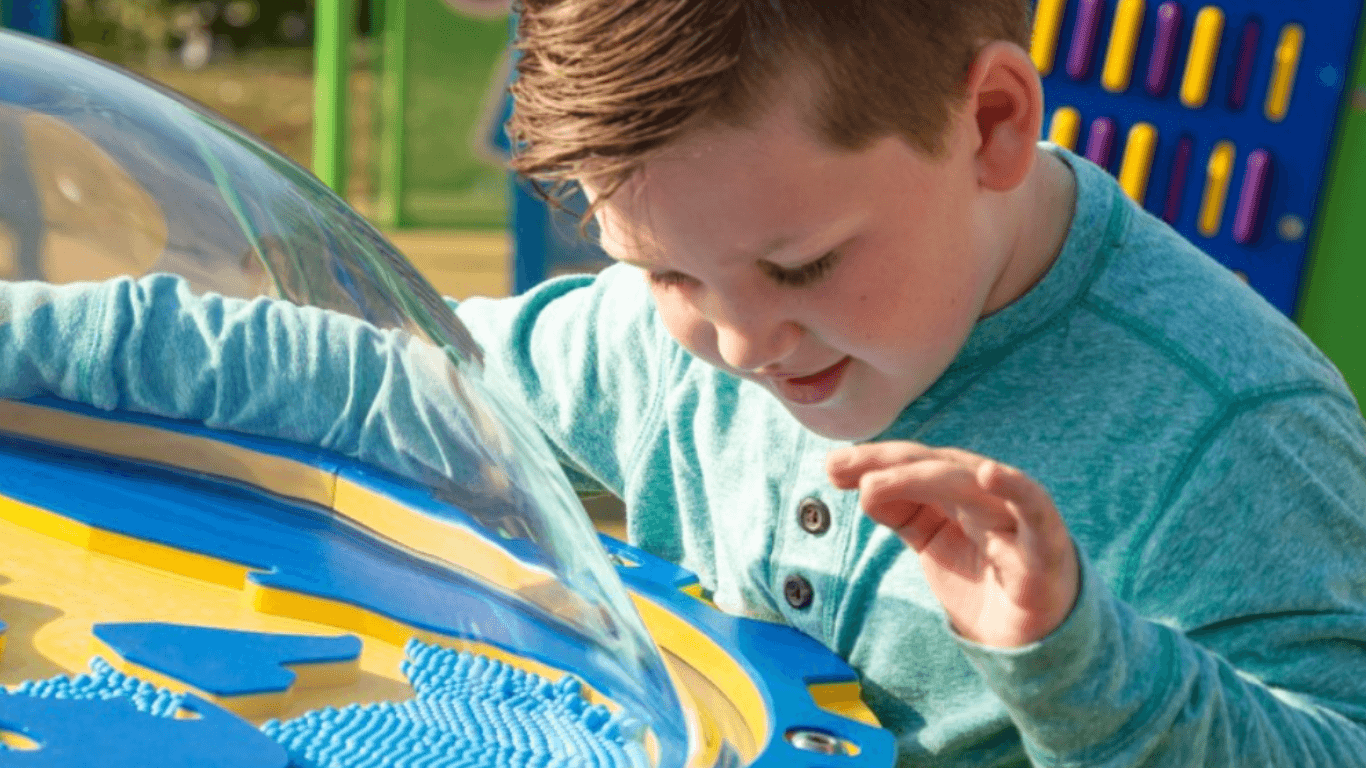
Photo by Miracle Recreation
As a mom, you only have to hear your child’s laughter to understand how important play is. There are concrete benefits, of course. The main three are physical, social and emotional development. Playgrounds exist solely to support this growth, which is why they’re so important. However, not every structure is created equal. Sometimes, kids get left out.
While little ones with disabilities or sensory issues want to spend recess on the equipment just as much as their peers, noninclusive structures can make that challenging. Ensuring your child’s school has the top-recommended inclusive playground equipment for schools helps them join in on the fun. How can you help create joyful recess experiences?
The Importance of Play in Child Development
Traditional playgrounds typically have physical barriers to play. As a result, those with disabilities are often marginalized or excluded, hindering their development. As you can tell, the importance of equitable recreational areas can’t be overstated.
Fostering Diversity and Acceptance
Playgrounds should be accessible regardless of age, gender or ability level. No one likes feeling left out. Promoting accessibility extends beyond that, though — it sets your kids up for lifelong success in communication and empathy. When diverse groups have fun together, they learn to be more accepting of one another.
The Benefits of Play for Development
When your little ones interact with others, they build secure connections and emotional bonds, strengthening their mental, social and emotional health. While using motion playground features, they develop gross and fine motor skills, which are tied to improved health and imagination. In general, play contributes to cognitive and executive function improvements.
Inclusive Versus Accessible Playground Equipment
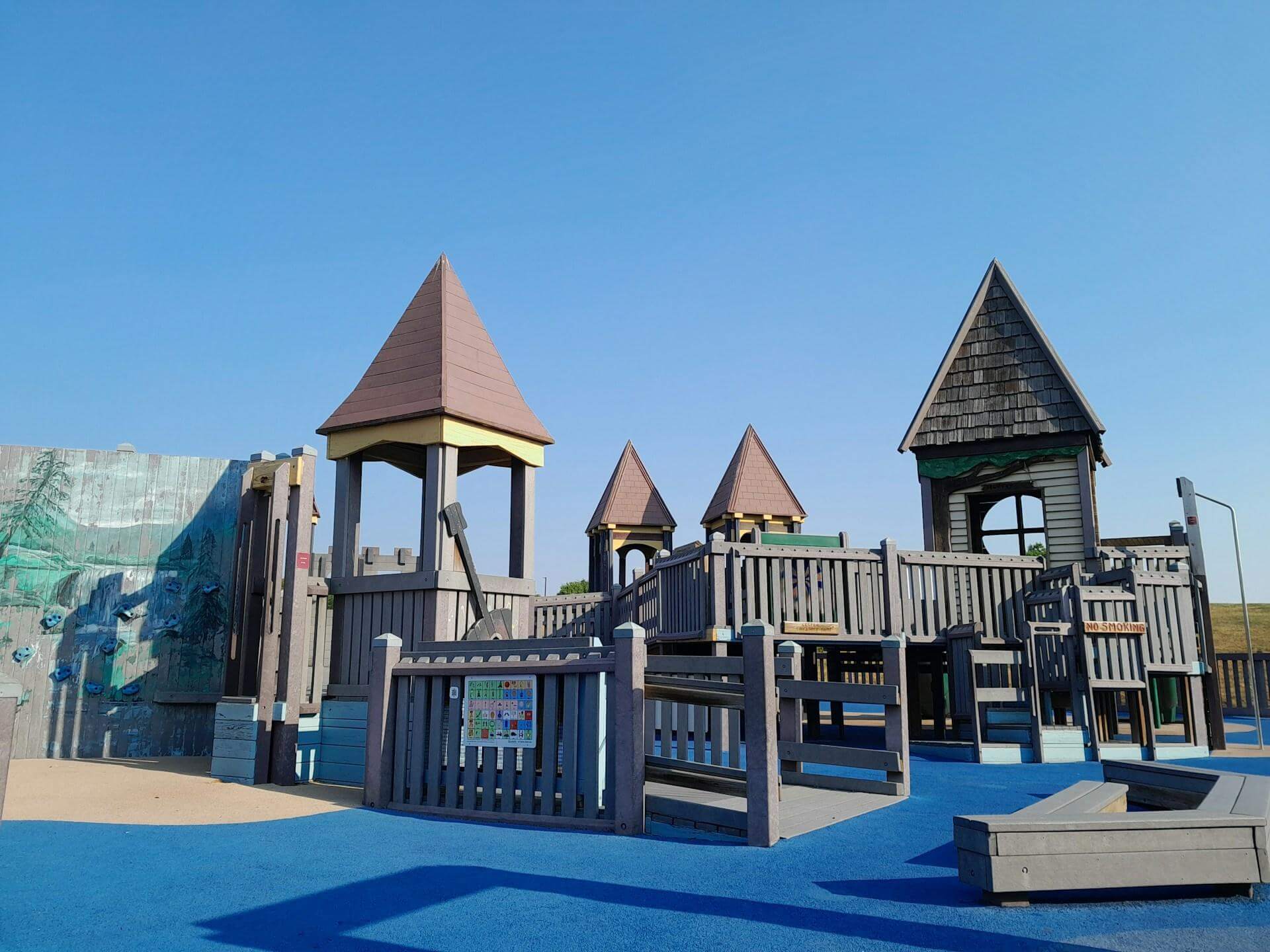
Although inclusive and accessible playground equipment sounds like the same thing, you should understand that they’re very different. The former prioritizes equity — achieving fairness by providing disadvantaged groups with more resources — while the latter focuses on equality.
Characteristics of Inclusive Play Areas
Inclusive play equipment goes beyond accessibility, providing more opportunities to interact and engage. Take a swing set, for example. While both wheelchair-accessible and standard seats may be exclusionary, a nest swing is usable regardless of ability level. Children of all abilities should be able to spend recess together.
The Benefits of Inclusive Play Equipment
As you know, play promotes physical health and improves your kids’ well-being. Inclusive interactions offer even more benefits. When little ones of different abilities converse on cooperative structures or engage in parallel play, they are more likely to achieve academic success and build confidence, leading to better learning outcomes.
The Key Features of Inclusive Playground Equipment
A disability-inclusive playground should consider safety, accessibility and multisensory experiences. Understanding the importance of these features is essential for learning how to advocate for children with disabilities or sensory issues.
Safety Considerations
While playgrounds should be accessible to kids of all ages, an age-appropriate design is essential. You should carefully consider everything from the height of the monkey bars to the length of the slide, ensuring every feature is suited for the physical abilities and developmental level of the students it is intended for.
Another safety consideration is the choice of nontoxic material. It doesn’t hurt to be overly cautious. For instance, the United States Consumer Product Safety Commission recommends kids wash their hands after playing on a tire-crumb rubber surface even though its study found no specific hazardous chemicals.
Accessibility Features
A disability-inclusive playground has ramps, transfer points and wide walkways. In addition to helping students with mobility aids get around, it allows those with sensory issues — or who simply want to be left alone — to have a joy-filled recess. Accessible playground equipment should include wheelchair-accessible structures like swings, spinners and roller tables.
Multisensory Experiences
Multisensory stations stimulate multiple senses simultaneously, incorporating tactile, auditory and visual elements into recess. This way, children get the most out of recess. Colorful ground instruments and play panels with perforated shapes are excellent examples.
To be inclusive, your kid’s school should also have quiet spaces. Whether your child wants to spend recess reading a book or is overstimulated and wants to be left alone, calm corners and pods give them the opportunity. They also support varied experiences — an important part of well-rounded development.
Recommended Inclusive Playground Equipment for Schools
The top recommended inclusive playground equipment for schools should be accessible, fun to use and popular with elementary students. Swings, climbing structures, sensory equipment and ground-level features are your best bets.
Climbing Structures
Horizontal or low-to-the-ground climbing options allow students of all ability levels to have fun together, ensuring no one gets left out at recess. The main play structure should get the same treatment. You should advocate for multilevel designs with transfer points and ramps.
Sensory Equipment
You have countless options regarding sensory equipment. Instruments encourage collaboration and engage auditory processing. While bells and bongos can be loud, hearing the kids in your child’s class try to make music together is heartwarming.
Sensory panels, rest stations and quiet zones are also good additions. They give students options at recess. As a bonus, they’re not nearly as loud, which is great if you live near the school and are worried about hearing the instruments daily.
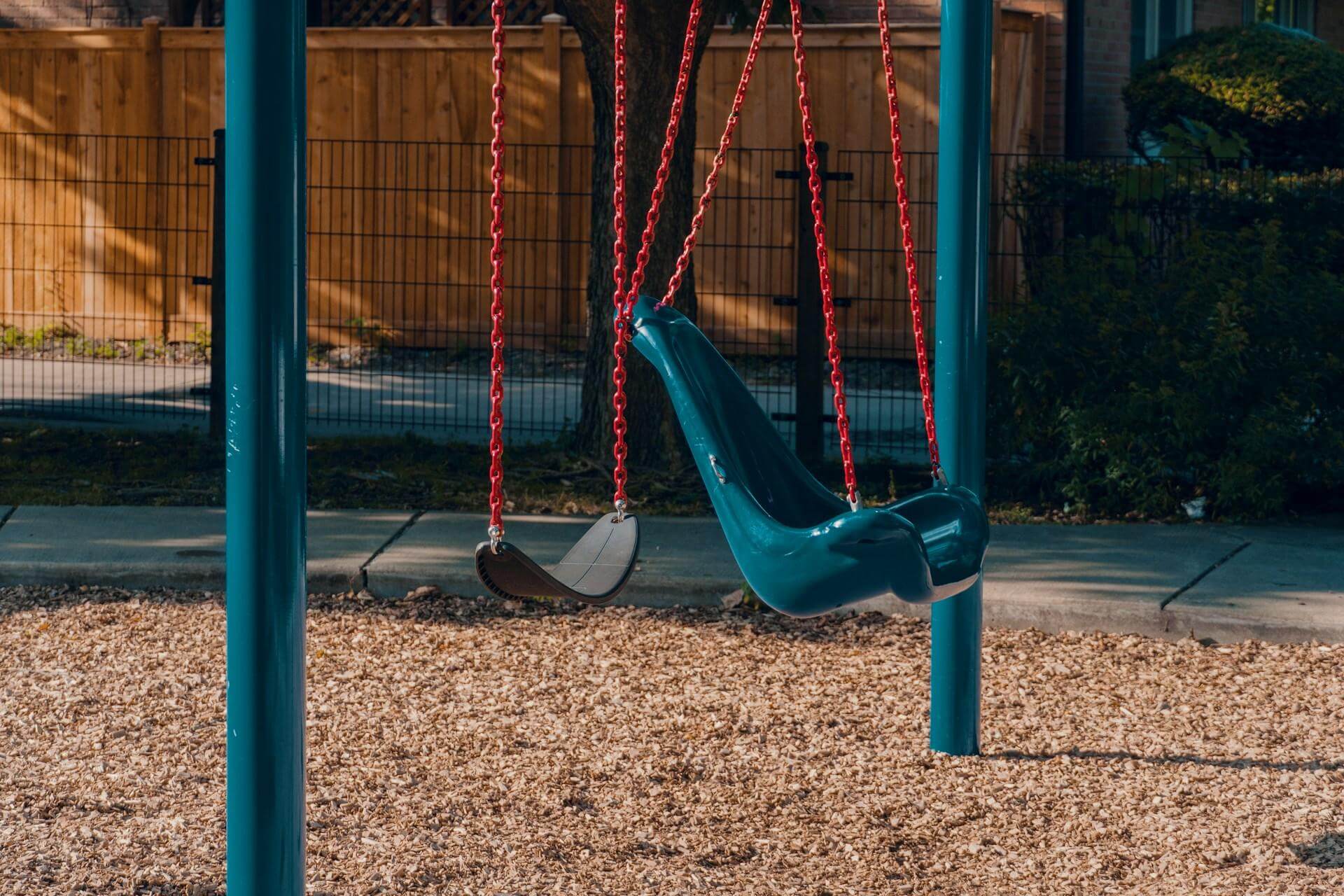
Adaptive Swings
If you have a child with mobility challenges, you understand how vital an adaptive swing is. Whether the seat is a net, a chair or a platform with handlebars, it allows them to swing alongside their friends — a key part of parallel and associative play. Group swings can do the same while encouraging social interaction and teamwork.
Ground-Level Areas
Ground-level inclusive play equipment like sandboxes and spinners aren’t always accessible. An inclusive playground should have sensory panels, tactile paths, communication boards and spinning discs. Creating themed scenes with fake trucks or stores encourages associative play.
The Best Inclusive Playground Equipment Companies
If you want your children and their peers to have the most well-rounded recess experience, you should contact the best inclusive playground equipment makers near you.
Miracle Recreation
Miracle Recreation is an inclusive playground equipment manufacturer providing everything from adaptive seesaws to entire structures for kids aged 2 to 12. Best of all, it is committed to green initiatives. It’s ISO 9001:2015 and ISO 14001:2015 certified and meets CAN/CSA Z614, meaning its playgrounds are well-designed and innovative.
EcoPlay Structures
EcoPlay Structures provides accessible playground equipment for little ones of all abilities. While it offers classic swings and merry-go-rounds, the cozy pod spinner, vibraphone and themed market scene are some of its more notable products.
Playworld
Playworld is a playground equipment supplier based in the United States. It focuses on multisensory structures like drum sets, interactive wheels, chime panels and rhythm walls. Most of its products focus on auditory, tactile and visual stimulation. However, some — like the Unity Basket Swing and Balance Trax — are for vestibular play.
Work-at-Home Moms Can Advocate for Inclusive Play
Now you understand how impactful the recommended inclusive playground equipment for schools could be on your child’s developmental growth and social life. But how do you turn this knowledge into something tangible?
Building a relationship with their school and the local community makes it easier to advocate for inclusivity. Consider exploring opportunities to promote accessibility and equity by connecting with them. Professional playground manufacturers may be able to help.