Updated: August 2026
Key Takeaways
- Kent Chin credits a simple, consistent fitness routine with helping him stay focused during demanding periods.
- He treats workouts as appointments instead of waiting to feel motivated.
- His comments describe personal experience, not a guaranteed productivity or health outcome for everyone.
For many founders, fitness is discussed as a general productivity tip. Kent Chin approaches it as a personal routine. The Markham, Ontario-based entrepreneur says physical training and martial arts have helped him build discipline, manage demanding periods and stay connected to the reasons he started.
In this interview, Kent explains what first drew him to fitness, how he keeps his routine simple and why scheduling matters more to him than motivation. His experience may also be useful to readers thinking about building a culture of excellence or developing sustainable work habits.
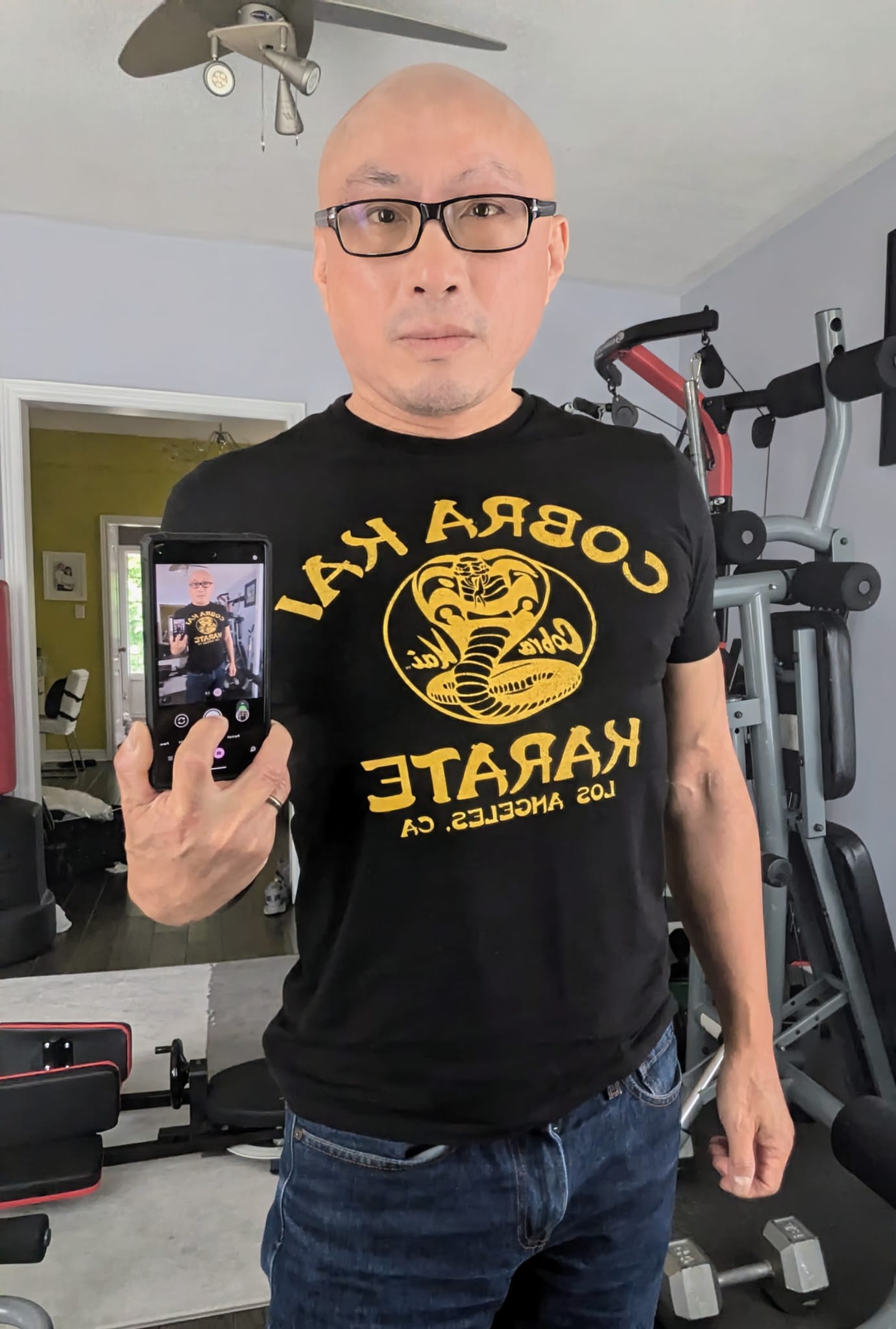
Kent Chin is an entrepreneur and personal-development advocate based in Markham, Ontario. His public profile on F6S also identifies his interests in entrepreneurship, health and wellness.
The answers below reflect Kent’s personal experience. Exercise can affect people differently and should not be treated as a substitute for individualized medical advice.
Fitness and Focus: The Kent Chin Interview
What Initially Motivated You to Incorporate Fitness into Your Life?
Q: What initially motivated you to incorporate fitness into your life?
KENT CHIN: I grew up in a working-class neighbourhood in Toronto in the 1970s. I had poor health in high school. That, combined with the bullying I experienced, affected my quality of life. So after I graduated, I moved out of my parents’ house and spent time working on my physical and mental health. That’s when I discovered my love for fitness and martial arts.
For Kent, training became part of rebuilding his confidence and daily structure. That experience also influenced how he thinks about entrepreneurial identity. More broadly, Harvard Health notes that regular exercise may support memory and thinking directly and indirectly through factors such as mood, sleep and stress. Those benefits develop over time and are not a promise of immediate business performance.
How Do You Stay Motivated When Progress Feels Slow or Life Gets Busy?
Q: How do you stay motivated when progress feels slow or life gets busy?
KENT CHIN: I remind myself why I started. I also keep my routine simple and focused. I train even when I don’t feel like it because discipline builds momentum. Progress happens when the habit stays in place, no matter how crazy life gets. I love how movement makes me feel.
Kent distinguishes between the feeling of motivation and the practice of following a routine. The American Psychological Association’s stress guidance includes regular exercise among healthy ways people may manage stress, alongside sleep, social support and other habits. A routine should be realistic for the individual rather than based on a promised result or fixed timeline.
What Role Does Mindset Play in Your Fitness Journey?
Q: What role does mindset play in your fitness journey?
KENT CHIN: Mindset is everything. Training the body starts with training the mind. I treat workouts as appointments with myself. When I approach fitness with intention, I carry that discipline into every part of my life.
The appointment comparison is the practical centre of Kent’s answer. Putting time on a calendar can reduce the number of daily decisions required to begin. Readers can adapt that idea to workouts, focused work blocks or another routine without assuming the same method or schedule will suit everyone.
Describe a Time When Your Fitness Routine Helped You Through a Difficult Moment
Q: Describe a time when your fitness routine helped you make it through a difficult moment.
KENT CHIN: During a time of high pressure and long hours while working in real estate, I felt drained and unfocused. I committed to short, consistent workouts before starting work each day. That time helped me clear my head and return to challenges with more energy and control.
Kent is describing what worked for him during one demanding period. His story can be treated as a scheduling example rather than proof that a short session will produce a specific hormonal, cognitive or business result. Readers building strategies for running a business can test a manageable routine and adjust it based on their own circumstances.
What Advice Would You Give to Someone Struggling to Find Motivation to Get Active?
Q: What advice would you give to someone struggling to find motivation to get active?
KENT CHIN: Start by making it part of your schedule. Pick a time and protect it. Keep it simple and stay consistent. Motivation will follow your actions. The key is to show up and keep showing up.
Kent’s advice is to begin with structure: choose a time, keep the plan simple and repeat it. Someone returning to activity after a long break, living with a health condition or experiencing pain should choose an appropriate starting point with qualified guidance.
Kent Chin’s Routine Principles at a Glance
The following table summarizes Kent’s own answers. The possible work takeaway is an interpretation, not a medical or performance guarantee.
| What Kent Describes | Routine Principle | Possible Work Takeaway |
|---|---|---|
| Training on a schedule | Plan before motivation changes | Reserve time for an important recurring task |
| Treating workouts as appointments | Protect the time | Use calendar blocks for focused work |
| Keeping the routine simple | Make repetition manageable | Prefer a repeatable process to an elaborate one-off effort |
| Using shorter sessions during a busy period | Adapt the routine to circumstances | Scale a habit instead of abandoning it |
Frequently Asked Questions
How much time does Kent Chin spend training each day?
The interview does not give a fixed daily duration. Kent says he used short pre-work sessions during one high-pressure period and emphasizes consistency over a complex routine.
Does Kent prefer martial arts or a standard gym workout?
Kent says he loves both fitness and martial arts. He does not prescribe one method for every reader or claim that martial arts universally produces better business results.
Can a beginner apply Kent’s routine principles?
The scheduling principles—choose a time, keep the plan simple and repeat it—can be adapted to different starting points. The activity and intensity should fit the individual’s health, ability and experience.
Can exercise eliminate entrepreneurial stress?
No. Exercise may be one helpful part of managing stress, but it does not eliminate business pressure or replace professional medical or mental-health care. Sleep, social support and workload boundaries may also matter.
Where can readers learn more about Kent Chin?
The Crunchbase and F6S profiles linked near the beginning of this article provide additional public information about Kent.
About the Author
Susan Wetmore is the owner of TOTS: Business and TOTS: Family and a blogger with more than a decade of experience covering entrepreneurship, small-business strategy and family wellness. She is also a mother of two and a volunteer with Second Harvest Food Bank.