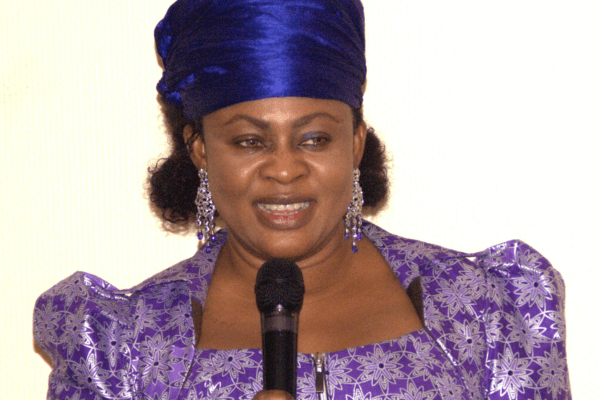
Nigeria’s richest women have built multi-industry empires spanning oil, real estate, aviation, and banking — proving that sector diversification is a core wealth-building strategy.
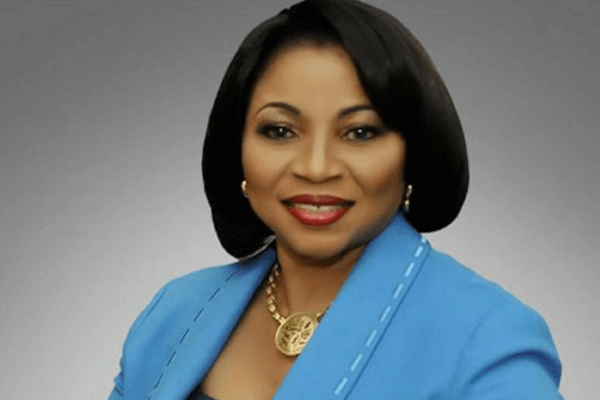
Folorunsho Alakija leads the group as Africa’s wealthiest self-made woman, with her fortune rooted in oil exploration through Famfa Oil and early success in fashion design.
Beyond personal wealth, these women actively invest in community development — funding education, healthcare, and women’s empowerment initiatives across Nigeria.
Happy Young leading businesswoman standing in her office & using a wireless tablet. Image Source: iStock
Nigeria is home to some of the most accomplished richest women in Nigeria — leaders who built extraordinary wealth through talent, strategic vision, and persistence in male-dominated sectors. Their careers span oil and gas, real estate, aviation, law, and architecture. Some appear on Forbes’ list of the World’s 100 Most Powerful Women. Like the richest women in Ghana, these Nigerian leaders combine commercial instincts with deep investment in community uplift.
Below, we profile all eight women — examining their industries, estimated net worth, and the wealth-building lessons their careers provide for aspiring entrepreneurs across Africa and beyond.
Nigeria’s Richest Women at a Glance
Name
Primary Industry
Est. Net Worth
Key Company / Role
Folorunsho Alakija
Oil & Gas / Fashion
$2.5B+
Famfa Oil Limited
Hajia Bola Shagaya
Oil, Banking, Real Estate
~$630M
Bolmus Group International
Fifi Ejindu
Architecture & Real Estate
$500M+
Architectural Developer
Diezani Alison-Madueke
Petroleum / Government
~$190M
First Female OPEC President
Elizabeth Jack-Rich Tein Jr.
Energy, Real Estate, Maritime
~$200M
Elin Group
Daisy Danjuma
Oil & Gas / Law / Politics
Undisclosed
Former Senator
Stella Oduah
Aviation / Public Service
~$20M
Former Minister of Aviation
Uju Ifejika
Indigenous Oil
Billions (est.)
CEO, Brittania U Nigeria Ltd.
🎯 Fun Fact
According to the World Bank, women-owned enterprises account for approximately 23% of all registered businesses in Nigeria — a figure driven in part by the visibility and mentorship that top-tier leaders like these eight women provide to the next generation.
Image Source: entrepreneurs
Folorunsho Alakija is the wealthiest of all the richest women in Nigeria. She founded Famfa Oil Limited — one of Nigeria’s most successful indigenous oil companies — after establishing her initial reputation in fashion. Her cross-sector pivot demonstrates extraordinary strategic boldness. Beyond business, Alakija channels resources into the Rose of Sharon Foundation, which provides scholarships and entrepreneurial grants to widows and orphans across Nigeria.
2. Fifi Ejindu — Architecture & Real Estate
Image Source: entrepreneurs
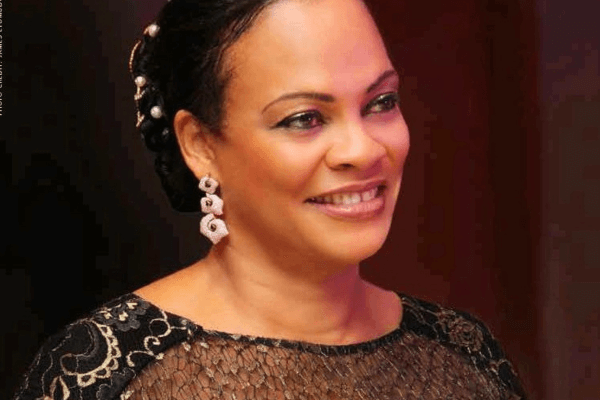
Fifi Ejindu has built a net worth exceeding $500 million through architecture that blends modern design with Nigeria’s cultural heritage. Her projects emphasise sustainability and cultural significance — a differentiated position that commands premium value in the real estate market. She also supports women’s education and arts programs throughout Nigeria.
3. Hajia Bola Shagaya — Oil, Banking & Fashion
Image Source: entrepreneurs
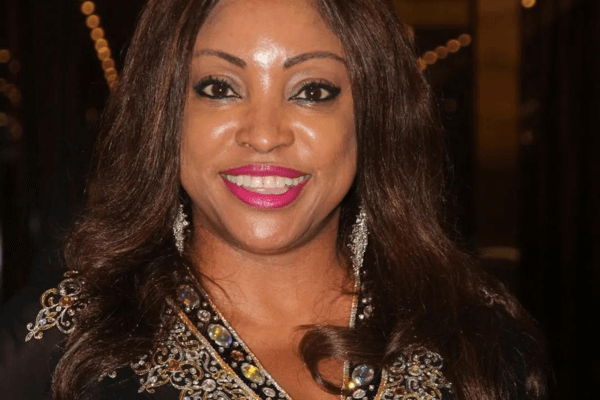
Bola Shagaya built a fortune estimated at $630 million as founder of Bolmus Group International, a major oil and gas conglomerate. She also made her mark in fashion, photography, and banking — serving on boards of several multinational companies. Her philanthropic focus centres on women’s healthcare and economic empowerment throughout Nigeria.
💡 Pro Tip
The Diversification Principle: Nigeria’s highest-net-worth women rarely rely on a single income stream. Shagaya spans oil, banking, fashion, and board roles — a strategy that insulates wealth against sector downturns and creates compounding influence across industries.
4. Daisy Danjuma — Law, Oil & Politics
Image Source: pmnewsnigeria
Daisy Danjuma built simultaneous influence across law, oil and gas, and the Nigerian Senate. Her legal credentials gave her a powerful lens for navigating energy-sector regulations, while her political career amplified her advocacy for gender equality and social justice. Danjuma’s trajectory illustrates how applied professional expertise can generate wealth and national-level impact at the same time.
5. Stella Oduah — Aviation Reform & Public Service
Image Source: Wikipedia
Stella Oduah served as Nigeria’s Minister of Aviation, leading reforms to modernise airport infrastructure and raise air travel safety standards nationwide. With an estimated net worth of $20 million, her career models a wealth-building path through public-sector leadership, where government influence and private investments create lasting commercial credibility and infrastructure impact.
6. Diezani Alison-Madueke — Petroleum Policy & OPEC History
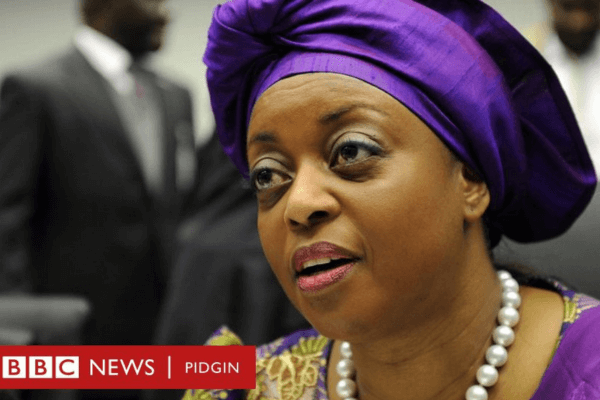
Image Source: BBC
Diezani Alison-Madueke made history as the first woman to serve as President of OPEC while simultaneously holding the role of Nigeria’s Minister of Petroleum Resources. Her tenure shaped global energy policy and drove initiatives to expand local Nigerian participation in oil production. Despite controversies, her estimated net worth of $190 million and historic OPEC role cement her place among the most consequential richest women in Nigeria.
💡 Pro Tip
Policy Access as a Business Lever: Several women on this list built wealth at the intersection of government and industry. Understanding regulatory environments — and helping shape them from within — remains one of the most powerful wealth-building pathways available to ambitious leaders in any sector.
7. Uju Ifejika — Indigenous Oil Entrepreneurship
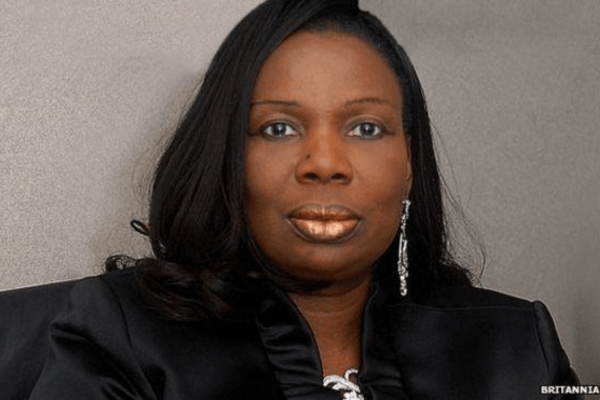
Image Source: newswirengr
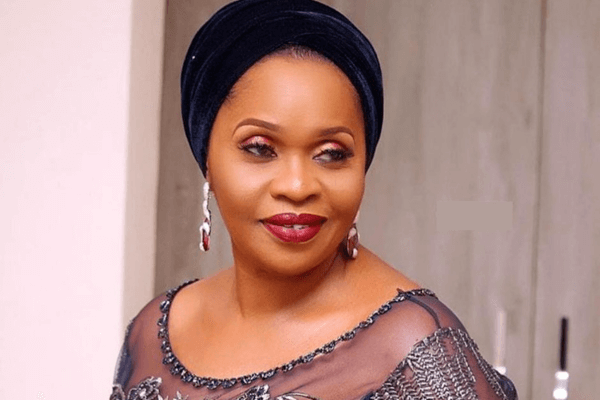
Uju Ifejika leads Brittania U Nigeria Limited, an indigenous oil and gas company that has become a significant sector player despite a field historically dominated by multinationals. Her ascent represents persistent excellence against structural odds. Ifejika’s advocacy for local content development and gender equity in energy has made her both a commercially successful executive and an influential industry voice, with a net worth estimated in the billions.
8. Elizabeth Jack-Rich Tein Jr. — Energy, Real Estate & Maritime
Image Source: worldfinance
Elizabeth Jack-Rich Tein Jr. founded Elin Group, a conglomerate operating across energy, real estate, and maritime services. Her journey has been defined by innovation and community development — values extended through philanthropy in education and healthcare for underserved communities. With an estimated net worth of $200 million, she exemplifies how a diversified conglomerate model combined with social investment creates lasting wealth and legacy.
Business Lessons from Nigeria’s Richest Women
Three consistent wealth-building patterns emerge from studying the richest women in Nigeria.
Cross-sector pivoting unlocks competitive advantage. Alakija moved from fashion to oil. Danjuma applied legal expertise to energy. Transferring skills across industries consistently opens opportunities that narrow specialists miss.
Philanthropy functions as a network multiplier. Every woman on this list invests meaningfully in foundations and community programs — integral to the trust and visibility that sustain long-term commercial success.
Indigenous ownership creates compounding value. Ifejika and Alakija built fortunes through Nigerian-owned enterprises competing in multinational-dominated sectors. Local ownership, executed with operational excellence, generates financial returns alongside powerful national goodwill.
Research from UN Women confirms that cross-sector mobility and community investment correlate strongly with sustained success among high-achieving female entrepreneurs. Exploring purpose-driven leadership reveals that community investment and commercial ambition consistently reinforce each other at the highest levels.
Philanthropy & Community Impact
What distinguishes the richest women in Nigeria is the consistent pairing of wealth creation with community reinvestment. The table below summarises each leader’s primary philanthropic contribution.
Leader
Foundation / Initiative
Focus Area
Folorunsho Alakija
Rose of Sharon Foundation
Scholarships & grants for widows and orphans
Hajia Bola Shagaya
Women’s health programs
Healthcare & women’s empowerment
Fifi Ejindu
Arts & education initiatives
Women’s education & cultural arts
Uju Ifejika
Brittania U community programs
Local employment & gender equity in energy
Elizabeth Jack-Rich Tein Jr.
Elin Foundation
Education & healthcare for underserved communities
These contributions represent tens of millions of dollars reinvested into Nigerian communities through schools, clinics, grants, and employment programs. The wealthiest female entrepreneurs in Ghana show strikingly similar patterns — confirming that community reinvestment is a defining hallmark of Africa’s most successful women business leaders.
Frequently Asked Questions
Who is the richest woman in Nigeria?
Folorunsho Alakija is widely regarded as the richest woman in Nigeria. Her fortune — estimated at over $2.5 billion — was built through Famfa Oil Limited, her indigenous oil exploration company, supported by earlier success in fashion.
What industries have created wealth for Nigeria’s top women?
Oil and gas dominates wealth creation, with Alakija, Shagaya, Ifejika, and Danjuma all drawing significant income from the sector. Real estate, architecture, aviation, and petroleum policy round out the major industries represented on this list.
How have Nigeria’s richest women contributed to national development?
Their contributions span job creation, infrastructure reform, and philanthropy. They have funded educational programs, established healthcare initiatives, advocated for gender equity, and driven policy changes that expanded indigenous participation in Nigeria’s energy sector.
What challenges have Nigeria’s richest women faced in building wealth?
Gender bias and limited access to capital are the most consistently cited barriers. Competition from multinationals and complex regulatory environments — particularly in oil — presented additional obstacles that required strategic persistence and professional credential-building to overcome.
What educational backgrounds do Nigeria’s wealthiest women have?
Their paths are diverse. Danjuma applied a law degree to the energy sector. Others hold degrees in business, architecture, and engineering — including international study. Several have deepened formal education with executive programs and deep industry expertise.
About the Author
Alicia Trautwein is a business strategist, content creator, and entrepreneur with over a decade of experience covering women in leadership, small business development, and global entrepreneurship. As owner of Thinking Outside The Sandbox — a platform dedicated to helping entrepreneurs start and grow home-based businesses — she brings editorial expertise and lived entrepreneurial experience to every profile. Her work focuses on translating high-achieving leaders’ strategies into actionable insights for the next generation of entrepreneurs.
I am a Mother of two and active Aunt to six kids ranging in age from 3 years to 24 years. I am a seasoned enthusiastic Mom and Blogger that is highly active in school activities, crafting, and an award-winning volunteer at Second Harvest Food Bank. I love to Cook and Bake and share my gift with Family and Friends. Owner of TOTS: Business and TOTS: Family.