*Revised February 2026*
Key Takeaways
- Patricia Poku-Diaby leads Ghana’s wealthiest women with an estimated $720 million net worth, built through cocoa processing, export contracts, and decades of supply chain discipline.
- The richest women in Ghana operate across a wide range of sectors—cocoa, real estate, manufacturing, telecom, beauty, gold mining, entertainment, fashion, and public service.
- Most of these leaders built their wealth through disciplined reinvestment and operational excellence, making their stories a practical study in long-term business execution.
Ghana’s richest women didn’t inherit their positions—they built them. Across cocoa processing, real estate, electrical manufacturing, telecommunications, and entertainment, the
richest women in Ghana have combined sector expertise with long-term thinking to create lasting wealth. These aren’t passive beneficiaries; they are market creators who generated jobs, raised industry standards, and proved that sustainable success in West Africa comes from bold leadership and disciplined reinvestment.
This guide profiles the top 13 richest women in Ghana for 2025, ranked by estimated net worth. You’ll find each woman’s industry focus, wealth source, and the key business insight her story reveals—useful reading for entrepreneurs, students of African business, and anyone tracking wealth creation in emerging markets.
Comparison Table: Top 13 Richest Women in Ghana
| Rank |
Name |
Industry |
Estimated Net Worth |
Source |
| 1 |
Patricia Poku-Diaby |
Cocoa Processing |
$720M |
CEOWORLD |
| 2 |
Theresa Oppong-Beeko |
Real Estate, Hospitality |
$250M |
FineDucke |
| 3 |
Kate Quartey-Papafio |
Electrical Manufacturing |
$180M |
FineDucke |
| 4 |
Grace Amey-Obeng |
Beauty & Cosmetics |
$120M |
FineDucke |
| 5 |
Patricia Obo-Nai |
Telecommunications |
$85M |
FineDucke |
| 6 |
Joana Gyan Cudjoe |
Gold Mining |
$70M |
FineDucke |
| 7 |
Esther Ocloo |
Food Processing |
~$5M |
ThinkingOutsideTheSandbox |
| 8 |
Jackie Appiah |
Entertainment |
$5M |
FineDucke |
| 9 |
Doris Dartey |
Media & Advertising |
Not disclosed |
Wikipedia |
| 10 |
Ellen Hagan |
Human Resources |
Not disclosed |
Wikipedia |
| 11 |
Afua Asabea Asare |
International Trade |
Not disclosed |
GEPA |
| 12 |
Joyce Ababio |
Fashion & Education |
Not disclosed |
Wikipedia |
| 13 |
Charlotte Osei |
Law & Public Service |
Not disclosed |
Wikipedia |
Top 13 Richest Women in Ghana: Individual Profiles
Let’s look at each of the richest women in Ghana in depth—examining the industries that made them, the decisions that defined them, and the lessons worth taking seriously.
1. Patricia Poku-Diaby
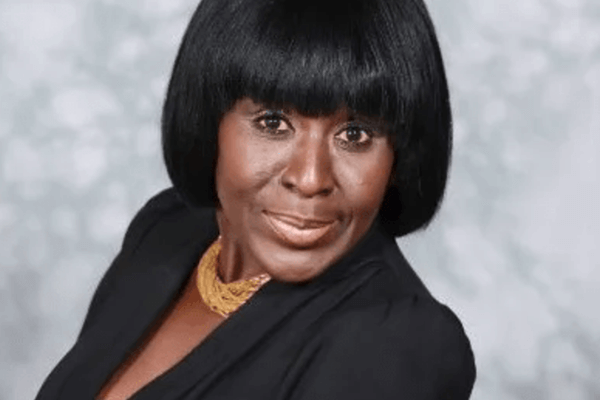
Patricia Poku-Diaby built
Plot Enterprise Ghana Limited into a leading cocoa processor by focusing on export readiness and consistent quality control. Her model is straightforward but hard to replicate: dominate one supply chain, invest in capacity, and let operational discipline compound over time. Known as Ghana’s “Cocoa Queen,” she demonstrates that you can scale globally from Ghana—one well-executed contract at a time.
- Estimated Net Worth: $720 million (CEOWORLD Magazine)
- Industry: Cocoa Processing & Export
- Key Insight: Compete on quality and reliability, not price
2. Theresa Oppong-Beeko
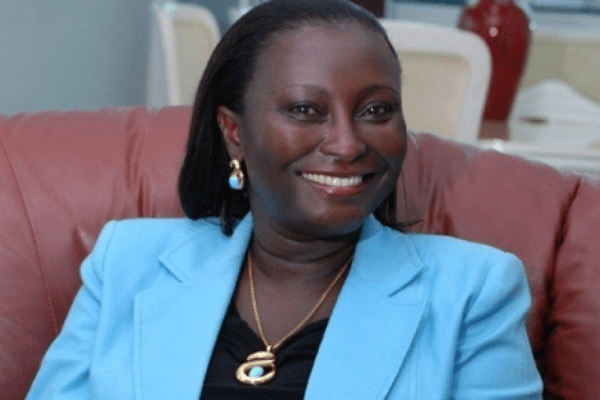
Theresa Oppong-Beeko built her wealth through master-planned real estate communities and premium hospitality developments. Her competitive advantage lies in patient land banking, transparent governance, and relentless attention to finish quality—all of which earned trust from both buyers and financiers. Her career shows that real estate wealth is ultimately a trust business as much as a capital business.
- Estimated Net Worth: $250 million (FineDucke)
- Industry: Real Estate & Hospitality
- Key Insight: Long-term land strategy beats short-term speculation
3. Kate Quartey-Papafio
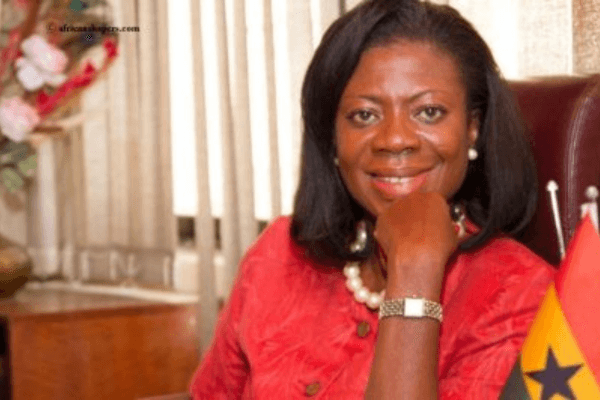
Kate Quartey-Papafio scaled
Reroy Group into a powerhouse manufacturer of cables, conductors, and electrical infrastructure. Manufacturing isn’t glamorous—but it fuels national growth. Her consistent delivery to Ghana’s grid, construction, and telecom sectors created durable revenue streams, proving that operational excellence in a niche industrial segment can generate serious, compounding enterprise value.
- Estimated Net Worth: $180 million (FineDucke)
- Industry: Electrical & Telecom Manufacturing
- Key Insight: Owning critical infrastructure creates recession-resistant revenue
💡 Pro Tip
Choose “boring” industries strategically. Several of the richest women in Ghana built their wealth in sectors others overlooked—cable manufacturing, food processing, HR services. Low competition in essential industries often means stronger margins and longer-term dominance than crowded consumer markets offer.
4. Grace Amey-Obeng
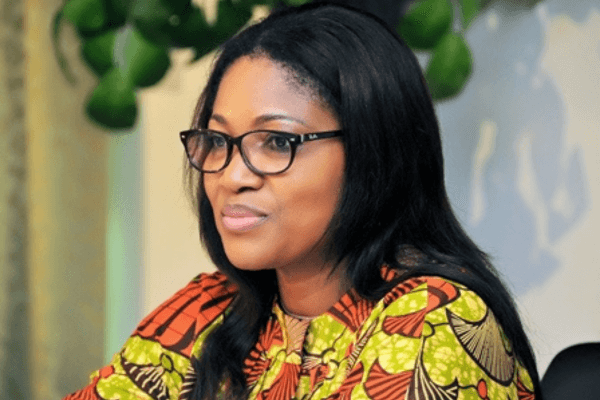
Grace Amey-Obeng built the
FC Group and
Forever Clair into Ghana’s most recognized beauty and skincare brand by professionalizing clinics and formulating products to meet international standards. Her lesson: brand trust in wellness compounds slowly but powerfully. Years of safe, consistent results turned consumer loyalty into enterprise value that competitors couldn’t easily replicate.
- Estimated Net Worth: $120 million (FineDucke)
- Industry: Beauty & Skincare
- Key Insight: Consumer trust is a balance sheet asset—protect it fiercely
5. Patricia Obo-Nai
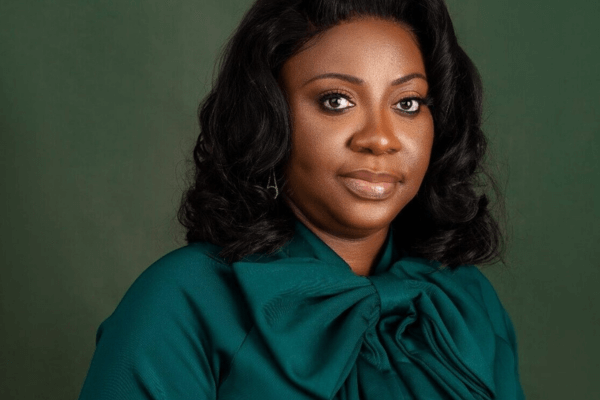
As CEO of
Vodafone Ghana, Patricia Obo-Nai led a complex digital transformation—expanding network reliability and launching new services in a heavily regulated sector. Her career shows how technical depth combined with people-first leadership unlocks sustained growth in capital-intensive industries. She’s one of the most significant technology executives Ghana has produced.
- Estimated Net Worth: $85 million (FineDucke)
- Industry: Telecommunications
- Key Insight: Technical credibility opens doors that charisma alone cannot
6. Joana Gyan Cudjoe
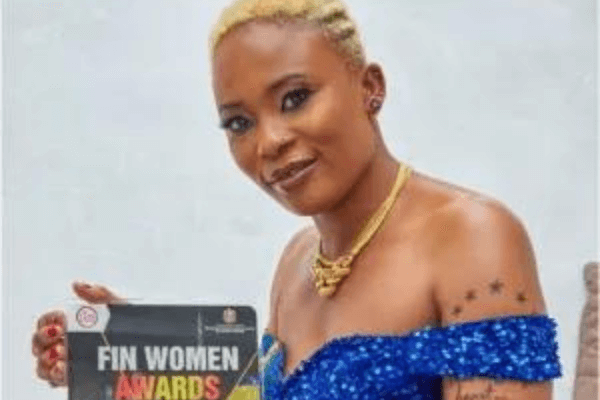
Joana Gyan Cudjoe’s
Golden Empire Legacy spans gold mining, real estate, and media. She pairs hard asset ownership with storytelling—producing content like
Sheroes of Our Time to amplify African women’s achievements. Her path illustrates a powerful combination: owning physical assets for wealth stability while shaping narratives to build influence that extends well beyond balance sheets.
- Estimated Net Worth: $70 million (FineDucke)
- Industry: Gold Mining, Real Estate & Media
- Key Insight: Hard assets create wealth; storytelling sustains influence
7. Esther Ocloo
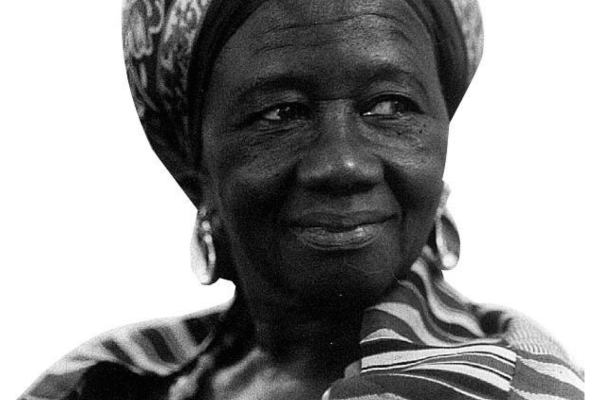
Esther Ocloo founded
Nkulenu Industries in 1942—producing marmalade and juices from Ghanaian produce decades before “buy local” became a movement. She later co-founded
Women’s World Banking, expanding microfinance access for women globally. Her legacy bridges entrepreneurship and financial inclusion, two pillars that continue shaping economic opportunity for women across Africa. She remains a foundational figure in Ghanaian business history.
- Estimated Net Worth: Approximately $5 million
- Industry: Food Processing & Microfinance
- Key Insight: Pioneering a category early—even modestly—creates an outsized legacy
🎯 Fun Fact
According to the World Bank, women make up over 40% of Ghana’s non-agricultural private sector employment—one of the highest rates in sub-Saharan Africa. The entrepreneurial culture that produced the richest women in Ghana reflects a broader pattern of female-led economic participation in the country.
8. Jackie Appiah
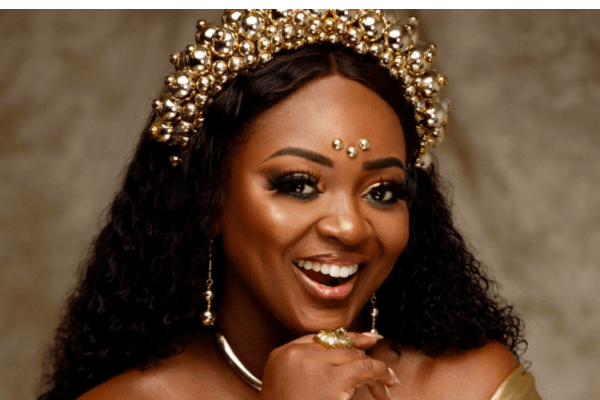
Jackie Appiah is one of Africa’s most recognized actors, with award-winning roles spanning drama, romance, and comedy. She pairs on-screen success with consistent community investment and philanthropy. Her career demonstrates that brand equity and community engagement amplify creative longevity—making a name in entertainment is valuable; making it trustworthy is what compounds over time.
- Estimated Net Worth: $5 million (FineDucke)
- Industry: Entertainment & Acting
- Key Insight: Philanthropy builds the brand equity that sustains a creative career
9. Doris Dartey
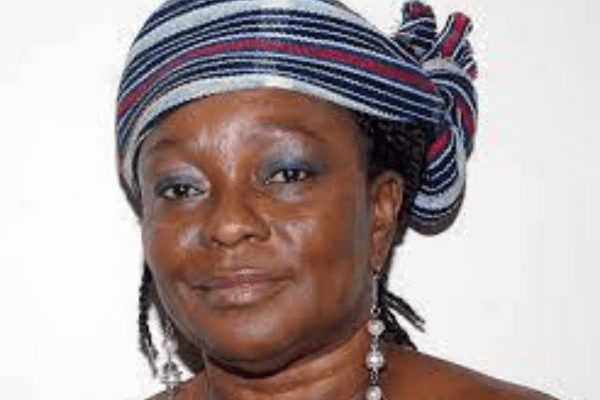
Doris Dartey shaped Ghana’s media and outdoor advertising landscape through sustained leadership and industry advocacy. By leveraging communications platforms—billboards, academic programs, newsrooms—she created pathways for women in a historically male-dominated field. Her career shows that media and education access aren’t just soft benefits; they are structural forces capable of reshaping an entire industry’s talent pipeline.
- Estimated Net Worth: Not publicly disclosed (Wikipedia)
- Industry: Media & Communications Education
- Key Insight: Platform access, not just capital, determines generational influence
10. Ellen Hagan

Dr. Ellen Hagan founded
L’aine Services Limited, helping formalize HR operations at scale across Ghana’s private sector, then co-founded
Hagan Capital to back growth-stage ventures. Her model—professionalize people operations, then channel that expertise into investment—shows how services businesses can evolve into capital platforms when run with long-term vision. For more stories like hers, see our guide to
Africa’s top female entrepreneurs.
- Estimated Net Worth: Not publicly disclosed (Wikipedia)
- Industry: Human Resources & Investment
- Key Insight: Deep sectoral expertise is a launchpad for capital deployment
💡 Pro Tip
Build wealth across adjacent assets. The most durable wealth among the richest women in Ghana wasn’t built in one category. Ellen Hagan moved from services to investment. Joana Gyan Cudjoe connected mining to media. Adjacent diversification—once a core business is stable—reduces risk and opens new revenue streams simultaneously.
11. Afua Asabea Asare
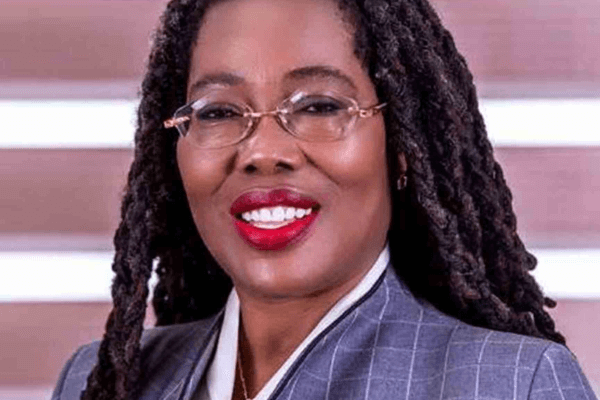
As CEO of the
Ghana Export Promotion Authority (GEPA), Afua Asabea Asare champions value-added exports and global market access for Ghanaian producers. Her impact is systemic rather than individual: training programs, international trade fairs, and sector coaching that convert local potential into foreign exchange earnings. She represents the high-leverage category of public sector leaders who quietly reshape economic trajectories at scale.
- Estimated Net Worth: Not publicly disclosed
- Industry: International Trade & Public Service
- Key Insight: Systemic impact compounds differently—and often more broadly—than individual wealth
12. Joyce Ababio
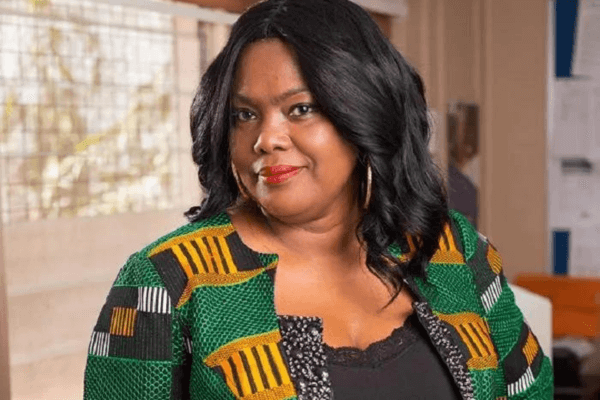
Designer and educator Joyce Ababio founded the
Joyce Ababio College of Creative Design (JACCD) to train Ghana’s next generation of fashion professionals. Her runway shows promote African textiles with modern execution, bridging craft tradition and commercial markets. Her biggest legacy may be the talent pipeline she created—graduates who build careers, launch labels, and generate employment across fashion value chains.
- Estimated Net Worth: Not publicly disclosed (Wikipedia)
- Industry: Fashion Design & Education
- Key Insight: Training the next generation is both a legacy and a market-building strategy
13. Charlotte Osei
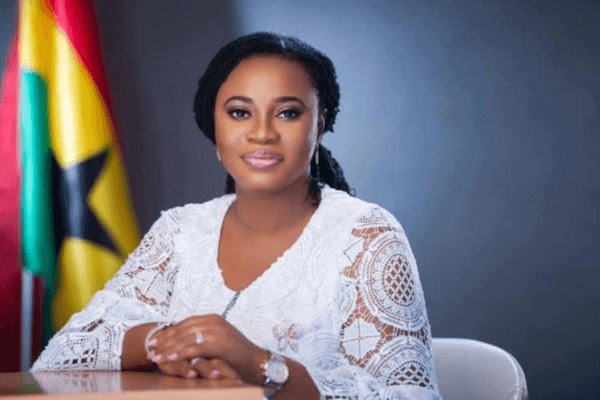
Charlotte Osei served as Chair of Ghana’s Electoral Commission, overseeing national elections and implementing biometric verification reforms. Her work strengthened institutional credibility in a high-stakes governance domain—the kind of credibility that signals stability to both voters and investors. Her legacy is a reminder that public trust has measurable economic value, even when it doesn’t appear on a personal balance sheet.
- Estimated Net Worth: Not publicly disclosed (Wikipedia)
- Industry: Law & Public Administration
- Key Insight: Institutional integrity is an economic asset as much as a civic one
What Makes the Richest Women in Ghana Successful?
Studying these profiles together reveals consistent patterns. Most of these women chose sectors with real barriers to entry—cocoa export, electrical manufacturing, telecommunications—rather than crowded, low-margin markets. They competed on reliability and quality, not price. And most of them reinvested heavily in early years, accepting slower growth in exchange for durable competitive positions. If you’re studying the
successful businesswomen of Ghana more broadly, these same patterns appear repeatedly across industries.
Their stories also show the value of sector-specific credibility. Patricia Obo-Nai’s engineering background made her a more effective telecom CEO. Esther Ocloo’s food processing expertise gave Women’s World Banking a practitioner’s credibility. In each case, deep knowledge within one domain created trust that opened doors to adjacent opportunities.
Frequently Asked Questions
Who is the richest woman in Ghana?
Patricia Poku-Diaby is widely cited as the richest woman in Ghana, with an estimated net worth of $720 million derived from cocoa processing and export through Plot Enterprise Ghana Limited.
Are there self-made billionaires among Ghana’s richest women?
Yes. Patricia Poku-Diaby is considered a self-made entrepreneur who built her wealth through business operations rather than inheritance. Several others on this list—including Kate Quartey-Papafio and Grace Amey-Obeng—are similarly self-made.
How does the wealth of Ghana’s richest women compare to its richest men?
The wealthiest men in Ghana generally hold higher net worth totals. However, the richest women in Ghana have closed significant ground in sectors like manufacturing, real estate, and services. For context, see our profile of the
richest men in Ghana.
What industries produce the most wealth for women in Ghana?
Cocoa processing, real estate development, electrical manufacturing, and telecommunications have produced the highest disclosed net worths. Beauty, mining, entertainment, and education also feature prominently across this list.
Do these women engage in philanthropic work?
Most do. Esther Ocloo co-founded Women’s World Banking to expand microfinance globally. Jackie Appiah engages in consistent community philanthropy. Several others support education initiatives and women’s empowerment programs in Ghana and across Africa.
Conclusion
The
richest women in Ghana represent more than wealth rankings—they are a case study in strategic patience, sector selection, and the compounding power of operational excellence. From Patricia Poku-Diaby’s cocoa empire to Charlotte Osei’s institutional legacy, each story offers a different angle on what it means to build something that lasts. As Ghana’s economy continues to grow, this list will expand—driven by the next generation of women who study these examples and build on them.
Explore more in our guide to the
richest women in Nigeria, and see who is shaping the broader continent in our roundup of
Africa’s top female entrepreneurs.
About the Author
Susan Wetmore is a business writer and entrepreneur with over a decade of experience covering wealth creation, small business strategy, and entrepreneurship across North America and Africa. She founded Thinking Outside the Sandbox to provide practical, research-backed guidance for entrepreneurs at every stage. Her writing focuses on the strategic decisions behind lasting business success.