Updated August 2026
Key Takeaways
- Nigeria has no current official or audited public ranking that verifies the personal net worth of all eight women in this guide.
- Folorunso Alakija is widely associated with major wealth through Famfa Oil, but the exact dollar figures repeated online are dated estimates rather than current financial disclosures.
- Several older lists mix company founders with former public officials, then treat job titles, family holdings or allegations about assets as proof of personal wealth.

Who are the richest women in Nigeria? Search results often provide confident rankings and precise dollar amounts, but most of the businesses involved are privately held. Without current ownership records, asset valuations and liabilities, those numbers cannot be independently calculated.
This updated guide reviews eight women commonly featured in Nigerian wealth lists. It verifies what can be supported—company roles, public offices and business history—while clearly labelling what remains unknown. The order is editorial, not an audited financial ranking.
Nigeria’s Richest Women: Eight Names at a Glance
| Name | Verified role | Primary field | Current audited net worth |
|---|---|---|---|
| Folorunso Alakija | Co-founder and vice chair, Famfa Oil | Oil and gas | Not publicly disclosed |
| Fifi Ejindu | Architect and Starcrest Group executive | Architecture and development | Not publicly disclosed |
| Bola Shagaya | Entrepreneur associated with Bolmus Group | Investment and real estate | Not publicly disclosed |
| Daisy Danjuma | Lawyer, former senator and SAPETRO executive | Law, business and public service | Not publicly disclosed |
| Uju Ifejika | Chair and CEO, Brittania-U | Oil and gas | Not publicly disclosed |
| Elizabeth Jack-Rich Tein Jr. | Founder and CEO, Elin Group | Energy and infrastructure | Not publicly disclosed |
| Stella Oduah | Former aviation minister and senator | Public service | Not publicly disclosed |
| Diezani Alison-Madueke | Former petroleum minister and OPEC president | Public service | Not publicly disclosed |
Editorial note: Company revenue, project value and the wealth of a spouse or family are not the same as personal net worth. Public office also does not establish private wealth. Dollar amounts have been removed where the original source did not show a transparent valuation method and date.
Eight Women Commonly Included in Nigerian Wealth Lists
1. Folorunso Alakija — Famfa Oil
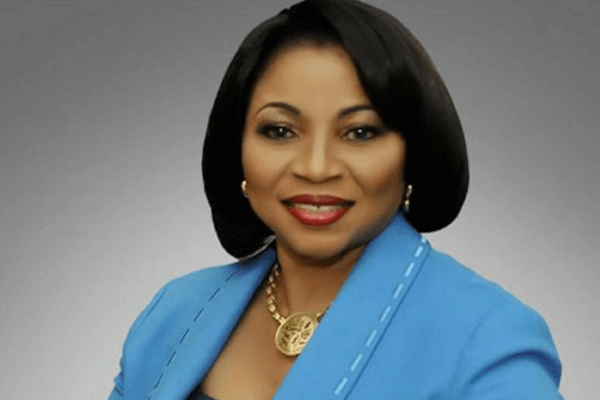
Folorunso Alakija and her husband, Modupe Alakija, founded Famfa Oil in 1991. The company holds an interest in Nigeria’s offshore Agbami field and identifies Alakija as its vice chair. Her earlier career in fashion and later work in philanthropy are also well documented. Famfa’s official company history confirms the business foundation and oil interest.
Alakija has appeared on major wealth lists in past years, but the $2.5 billion figure in the previous article was not tied to a current valuation. Famfa is a family company, so even an estimate of the company’s value would not by itself equal her personal net worth.
2. Fifi Ejindu — Architecture and Development
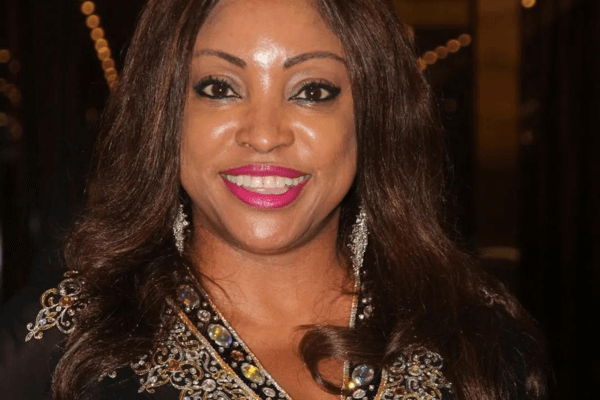
Fifi Ejindu is a Nigerian architect and executive associated with Starcrest Group, with interests reported across infrastructure, real estate, energy and manufacturing. Her career supports her inclusion in a guide to prominent Nigerian businesswomen. However, the earlier $500 million claim did not include an audited source or valuation method, so it should not be presented as a verified personal fortune.
3. Bola Shagaya — Investment and Real Estate
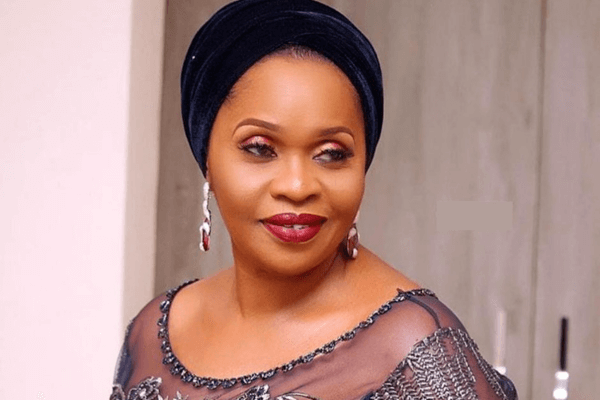
Bola Shagaya is an entrepreneur associated with Bolmus Group and investments in real estate and other sectors. Online biographies often attach large dollar estimates to her name, but they rarely provide current ownership percentages, asset values or liabilities. The $630 million figure previously shown here is therefore treated as unverified.
4. Daisy Danjuma — Law, Business and Public Service
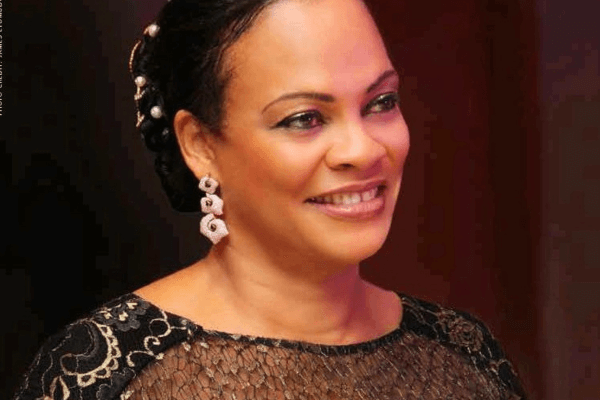
Daisy Danjuma is a lawyer, former senator and business executive associated with South Atlantic Petroleum. Her public profile combines law, public service and corporate leadership. Some wealth lists blur her own assets with the business interests of her husband, Theophilus Danjuma. Without evidence separating ownership and liabilities, a personal net-worth rank cannot be verified.
5. Uju Ifejika — Brittania-U
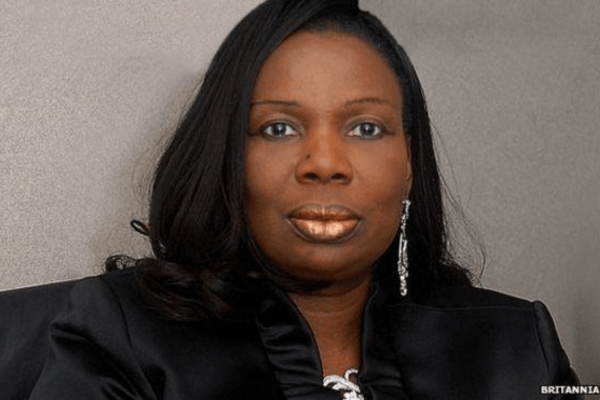
Catherine Uju Ifejika is chair and chief executive officer of Brittania-U, an indigenous Nigerian energy company. Brittania-U says its history includes an interest in the Ajapa marginal field and the operation of an export terminal. See the company’s executive-team page and operating history.
Those records verify a substantial operating business, not the vague “billions” personal estimate previously used in this article.
6. Elizabeth Jack-Rich Tein Jr. — Elin Group

Elizabeth Jack-Rich Tein Jr. is identified by Elin Group as its founder and CEO. The privately owned group describes interests in energy, real estate, power generation, agriculture, mining, maritime services and aviation. Elin Group’s official profile verifies the company’s areas of activity. It does not verify the $200 million personal estimate repeated by older list sites.
7. Stella Oduah — Former Aviation Minister and Senator
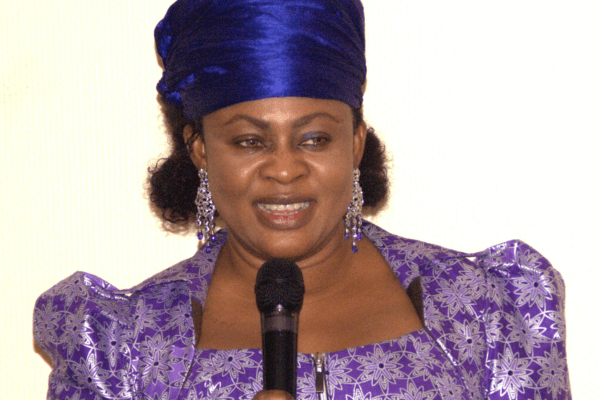
Stella Oduah served as Nigeria’s minister of aviation and later represented Anambra North in the Senate. These are public-service roles, not evidence of business ownership or a $20 million net worth. She remains in this review because older rich-list articles include her, but the available evidence does not support treating her as a verified member of a current wealth ranking.
8. Diezani Alison-Madueke — Former Petroleum Minister
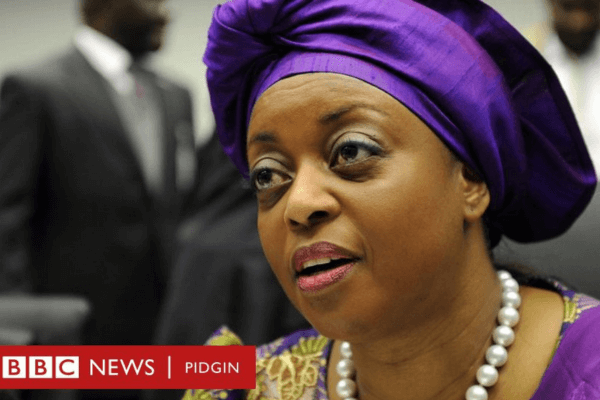
Diezani Alison-Madueke served as Nigeria’s petroleum minister and became the first woman to hold the OPEC presidency. Her inclusion in celebratory entrepreneurship lists is problematic: public office is not entrepreneurship, and the $190 million figure previously shown here was not an audited disclosure.
There is also material legal context. In 2023, the U.S. Department of Justice announced the resolution of civil forfeiture cases involving assets it said were connected to corruption in Nigeria’s oil industry. The department described allegations in court documents; this guide does not convert allegations or recovered assets into a calculation of Alison-Madueke’s net worth.
Why Nigeria Net-Worth Rankings Vary So Widely
Most of the companies discussed here are private, and several names belong to former public officials rather than company founders. A credible net-worth estimate would require a valuation date, verified ownership percentages, major assets, liabilities and a stated exchange rate. Many online lists show none of that information.
Oil prices and currency movements add another problem. An old dollar estimate can change dramatically even if the underlying company remains the same size. Family companies also require careful attribution: a company’s assets may be shared among founders, spouses, children, trusts and outside investors.
What Readers Can Verify
The strongest evidence supports a narrower set of conclusions:
- Famfa Oil, Brittania-U and Elin Group are active private companies with documented operations.
- Alakija, Ifejika and Jack-Rich Tein hold leadership roles in those companies.
- Ejindu, Shagaya and Danjuma have established public records in business or professional leadership.
- Oduah and Alison-Madueke are former public officials; their job titles do not establish private net worth.
For a comparable review, see our updated guide to the richest women in Ghana.
Frequently Asked Questions
Who is the richest woman in Nigeria?
Folorunso Alakija is the name most often cited because of her connection to Famfa Oil. However, this research did not find a current audited disclosure that supports the precise personal net-worth figures repeated by many websites.
Is Folorunso Alakija worth $2.5 billion?
That amount is a dated media estimate, not a current financial disclosure. It should not be presented as a verified 2026 figure without a transparent valuation method.
Are there verified female billionaires in Nigeria?
Some Nigerian women have appeared on past billionaire lists, but private-company values and personal holdings change. A current claim should be tied to a dated source that explains ownership and valuation.
Why are former public officials included?
They appear in older search results and rich-list articles. This guide keeps them for context while explaining that a government role does not prove private wealth or entrepreneurship.
Which industries created the largest documented businesses?
Oil and gas is the most prominent sector in this group. Architecture, infrastructure, real estate and investment are also represented.
Conclusion
The search for the richest women in Nigeria produces plenty of numbers but little transparent financial evidence. These eight women have significant public profiles, yet their roles differ: some built or lead private companies, while others are known primarily for government service.
Use the company and government records linked above to understand what each woman has actually done. Treat exact personal net-worth amounts cautiously unless the publisher supplies a valuation date, ownership data and a defensible method.
About the Author
Susan Wetmore is a business writer and entrepreneur with over a decade of experience covering wealth creation, small business strategy and entrepreneurship. She founded Thinking Outside the Sandbox to provide practical, research-backed guidance for entrepreneurs at every stage.