
The commercial construction industry is constantly evolving. New technologies, changing client expectations, stricter sustainability standards, and ongoing labour shortages are reshaping how commercial buildings are designed, constructed, and maintained. For property owners, developers, and business leaders, staying informed about these changes can help improve project planning, reduce costs, and create buildings that remain competitive well into the future.
Whether you’re planning a new office, retail development, warehouse, or industrial facility, understanding today’s construction trends can help you make smarter decisions throughout every stage of your project.
Here’s a closer look at what’s changing for commercial construction in Toronto and its overall industry.
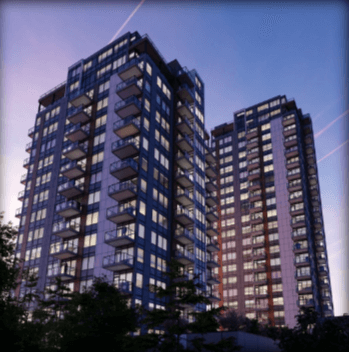
Sustainable Construction Is Becoming the Standard
Sustainability has shifted from being a competitive advantage to an industry expectation.
Many businesses are seeking commercial buildings that reduce operating costs while minimizing environmental impact. As a result, contractors are incorporating more energy-efficient building systems, environmentally responsible materials, and waste reduction practices into their projects.
Common sustainable building features include:
- High-performance insulation
- Energy-efficient windows
- LED lighting
- Smart HVAC systems
- Low-flow plumbing fixtures
- Solar-ready roofing
- Electric vehicle charging infrastructure
- Recycled and locally sourced building materials
These features often lower long-term operating expenses while helping businesses meet corporate sustainability goals.
Technology Is Transforming Construction
Technology continues to improve nearly every aspect of commercial construction.
Digital tools now allow contractors, architects, engineers, and clients to collaborate more efficiently throughout the project lifecycle.
Some of the biggest technological advancements include:
- Building Information Modeling (BIM)
- 3D laser scanning
- Drone site surveys
- Cloud-based project management software
- Digital document sharing
- Mobile field reporting
- Virtual design coordination
These technologies help identify design conflicts before construction begins, improve communication between project teams, and reduce costly errors on-site.
The result is greater efficiency, improved scheduling, and better overall project outcomes.
Prefabrication and Modular Construction Are Growing
More commercial builders are embracing off-site manufacturing to improve quality and shorten construction schedules.
Prefabrication involves constructing building components in a controlled factory environment before transporting them to the job site for installation.
Common prefabricated elements include:
- Wall panels
- Structural steel assemblies
- Mechanical rooms
- Washroom pods
- Roof systems
- Electrical assemblies
Factory production often improves quality control while reducing weather-related delays and on-site labour requirements.
As demand for faster project delivery continues to grow, modular and prefabricated construction methods are becoming increasingly popular.
Labour Shortages Continue to Impact Projects
The commercial construction industry continues to face shortages of skilled trades across many regions.
Retiring workers, increased construction demand, and fewer individuals entering the skilled trades have created ongoing labour challenges.
Shortages commonly affect:
- Electricians
- Carpenters
- Plumbers
- HVAC technicians
- Welders
- Concrete finishers
- Heavy equipment operators
Labour shortages can increase construction timelines and labour costs while making project scheduling more complex.
Many contractors are responding by investing in apprenticeship programs, workforce development, and technology that improves productivity.
Building Designs Are Becoming More Flexible
Businesses today require commercial spaces that can adapt to changing operational needs.
Rather than designing highly specialized spaces with fixed layouts, many organizations now prioritize flexibility.
Modern commercial buildings often include:
- Open floor plans
- Modular office layouts
- Movable wall systems
- Multi-purpose meeting spaces
- Flexible warehouse configurations
- Shared collaborative work areas
These adaptable designs allow businesses to expand, reorganize, or accommodate changing work models without requiring major future renovations.
Smart Buildings Are Becoming More Common
Commercial buildings are becoming increasingly connected through smart building technology.
Integrated systems allow property owners to monitor and control building performance in real time.
Popular smart building features include:
- Automated lighting controls
- Smart thermostats
- Occupancy sensors
- Building automation systems
- Remote security monitoring
- Energy management dashboards
- Predictive maintenance systems
These technologies improve energy efficiency, enhance occupant comfort, and reduce long-term operating costs.
As Internet of Things (IoT) technology continues to evolve, smart buildings are expected to become even more sophisticated.
Greater Focus on Employee Wellness
Commercial building design has shifted beyond functionality to prioritize occupant health and well-being.
Businesses increasingly recognize that healthier workplaces can improve employee satisfaction, productivity, and retention.
Wellness-focused design features include:
- Increased natural lighting
- Improved indoor air quality
- Better acoustic performance
- Ergonomic workspaces
- Outdoor gathering areas
- Biophilic design elements
- Wellness rooms
- Fitness amenities
These features create more comfortable environments while supporting employee health and workplace performance.
Rising Material Costs Continue to Influence Budgets
Material pricing remains one of the largest challenges facing commercial construction projects.
Although supply chains have improved in recent years, pricing continues to fluctuate due to factors such as:
- Inflation
- Transportation costs
- Manufacturing capacity
- Global demand
- Fuel prices
- Trade policies
Contractors are increasingly working with clients during the design phase to identify alternative materials and value engineering opportunities that maintain quality while controlling costs.
Early procurement of long-lead materials has also become an important strategy for reducing project delays.
Increased Demand for Industrial and Logistics Facilities
The rapid growth of e-commerce has significantly increased demand for industrial construction.
Companies require larger distribution centres, warehouses, and logistics facilities to meet consumer expectations for faster delivery.
Modern industrial buildings increasingly feature:
- Higher clear ceiling heights
- Larger loading docks
- Automated storage systems
- Robotics integration
- Expanded truck courts
- Advanced inventory management infrastructure
As supply chains continue evolving, industrial construction remains one of the fastest-growing sectors within commercial development.
Renovation and Adaptive Reuse Are on the Rise
Rather than constructing entirely new buildings, many organizations are choosing to renovate or repurpose existing commercial properties.
Adaptive reuse projects can transform older buildings into:
- Modern offices
- Medical clinics
- Restaurants
- Mixed-use developments
- Retail spaces
- Educational facilities
Renovating existing buildings often reduces environmental impact while preserving valuable urban infrastructure.
These projects may also offer shorter timelines and lower overall costs compared to new construction, depending on the building’s condition.
Safety Standards Continue to Improve
Construction safety remains a top priority across the industry.
Contractors are adopting new technologies and processes to reduce workplace risks and improve job site safety.
Examples include:
- Wearable safety technology
- Digital safety inspections
- Drone site monitoring
- Real-time incident reporting
- Enhanced fall protection systems
- Improved worker training
A strong safety culture not only protects workers but also reduces project delays, insurance claims, and overall risk.
Collaboration Begins Earlier in the Design Process
Commercial construction is becoming more collaborative from the very beginning of a project.
Instead of working independently, owners, architects, engineers, and contractors are increasingly collaborating during the design phase.
Early collaboration helps:
- Improve budgeting accuracy
- Identify constructability issues
- Reduce change orders
- Streamline scheduling
- Optimize material selection
- Improve project coordination
This integrated approach often leads to smoother construction and better overall project outcomes.
What These Changes Mean for Property Owners
For business owners and developers, these industry changes present both opportunities and challenges.
Today’s commercial construction projects require greater planning, earlier decision-making, and closer collaboration between all project stakeholders. Working with an experienced commercial contractor from the outset can help navigate evolving building codes, incorporate modern technologies, manage costs, and deliver a space that meets both current and future business needs.
Whether you’re constructing a new facility or renovating an existing one, understanding these trends allows you to make informed decisions that maximize your investment.
Final Thoughts
The commercial construction industry is undergoing significant transformation as technology, sustainability, workforce dynamics, and client expectations continue to evolve. From smart building systems and modular construction to wellness-focused design and adaptive reuse, today’s projects are more innovative and efficient than ever before.
Businesses that stay ahead of these changes are better positioned to create commercial spaces that are cost-effective, environmentally responsible, and built for long-term success. By partnering with experienced construction professionals and embracing modern building practices, owners can confidently navigate the future of commercial construction while maximizing the value of their investment.

