Updated: February 2026
Key Takeaways
- Financial mastery forms the foundation of organizational leadership—Fauteux managed a $90 million operating budget alongside a $1.5 billion capital portfolio at Ontario Parks.
- Building stakeholder relationships across 300+ partners requires consistent communication, networking, and efficient coordination to achieve alignment.
- Hire people whose behavior reflects the culture you want—character, engagement, preparation, and creativity matter more than credentials alone.
Bradley Fauteux is a Canadian executive whose career spans government leadership, environmental stewardship, and private sector management. Remarkably, his path took him from professional musician to overseeing 2,500 employees. Additionally, he managed a $1.5 billion capital portfolio. His journey offers a masterclass in organizational transformation.
Entrepreneurs and business owners scaling their operations will find Fauteux’s approach particularly relevant. For instance, his experience managing complex stakeholder relationships mirrors the challenges many growing businesses face. Moreover, his expertise in building high-performing teams applies across industries.
In this interview, you’ll gain actionable insights on financial accountability and team building. Furthermore, you’ll learn about creating organizational culture that drives results—essential tips to ensure business success. Notably, Fauteux earned four Environmental Commissioner of Ontario Awards. He also achieved full federal-provincial-territorial participation in the Canadian Parks Council for the first time in 15 years.
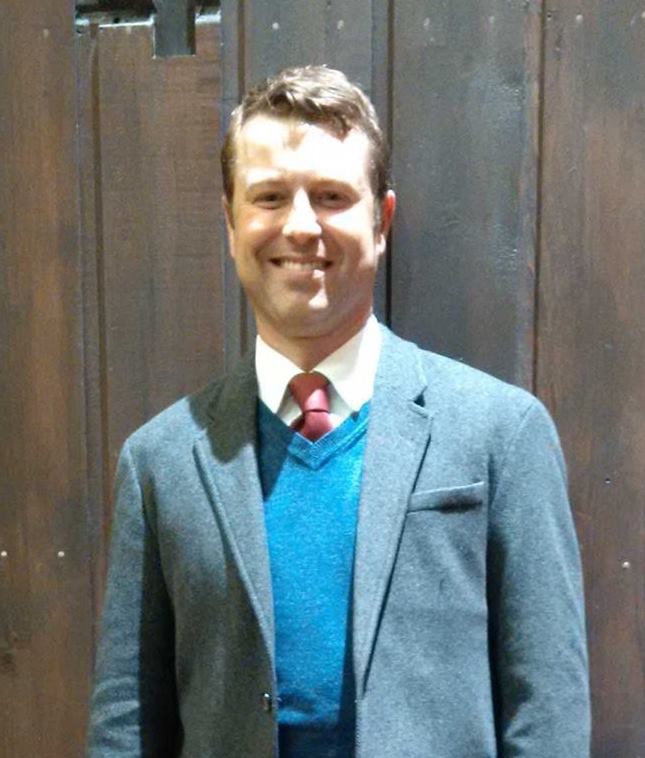
Q: What skills would you say are necessary to lead large organizations?
Brad Fauteux: First, you’ve got to have a firm grasp of the finances of the organization. During my time at the Ministry of Natural Resources, I led 2,500 employees. Additionally, I oversaw an operating budget of $90 million, on top of a $1.5 billion capital portfolio.
You need to be accountable for every dollar. This is because that figure becomes the baseline for next year’s budget. This principle applies whether you are leading a government organization or working in the private sector.
In addition to managing capital assets, other essential skills include team building and contract management. Furthermore, organizational design, human resources, and strategy are critical. Similarly, IT, business development, and relationship management matter greatly. Above all, fostering a culture that values innovation, accountability, diversity and inclusion is essential.
Q: You have worked across the world in the environmental field. What lessons have you learned from those experiences?
Brad Fauteux: Yes, I have held positions in both Canada and Australia. As Chief Executive of Parks Victoria in Melbourne, I led 1,000 employees. I also managed a quarter-billion dollar operating budget. My focus was on strategic whole-of-organization modernization. Specifically, this included technology, systems, funding and human resources. As a result, I realigned the management team and initiated a refresh of corporate strategy.
Prior to that, I was the managing director for the Ministry of Natural Resources in Peterborough, Ontario. There, I was responsible for the Mid Canada Line Project. This was an $85 million environmental remediation in the north—the largest in the province’s history.
In that role, I forged strong relationships with a wide array of stakeholders. For example, I worked with more than 300 different intergovernmental, community, Indigenous and private sector partners. Consequently, we collected multiple awards in tourism and environmental categories. I was honoured to receive the Environmental Commissioner of Ontario Award four times, last in 2015.
I employed this same approach as chairman of the Canadian Parks Council. This organization coordinates Canada’s national, provincial and territorial park agencies. Ultimately, making this work requires communication, networking, team building and efficient coordination. I’m proud that we achieved full federal, provincial, and territorial participation for the first time in more than 15 years.
Q: What advice do you have for other organizational leaders?
Brad Fauteux: Step one is getting to know the people, values, strategy and priorities of any organization you hope to lead. This shows respect and demonstrates your commitment. Similarly, when seeking such a position, engage in extensive networking. As a result, you become a known commodity in your field.
When you are in a leadership role, always seek advice—and listen closely to that advice. Additionally, learn about the people you work with. Make sure they understand your values. Indeed, culture is very important to the success of any business or agency.
As a leader, it is your responsibility to create, maintain and live that culture. It should be based on an optimistic vision of what you are trying to achieve as a team. Furthermore, it needs to be rooted in understanding and respect. Most importantly, it needs to motivate your employees. It should inspire the team and generate shared excitement about the organization’s future.
Finding the right people to match this culture is also extremely important. Therefore, when hiring employees, pursue individuals who show high character and engagement. Look for preparation, commitment, creativity and awareness. In other words, hire someone you would want to follow. Remember that the behaviour of your people is the culture you have.
Frequently Asked Questions
What skills are needed to lead large organizations?
Leading large organizations requires financial accountability, team building, and strategic planning. Specifically, Bradley Fauteux emphasizes that leaders must account for every dollar. This is because budgets establish baselines for future planning. Additionally, competencies like organizational design, human resources, and business development matter greatly. Above all, fostering cultures of innovation and inclusion is essential.
What does an organizational leader do?
Organizational leaders set strategic direction and manage operations. Furthermore, they build teams that execute on company goals. They also oversee budgets and develop stakeholder relationships. Moreover, they create cultures that motivate employees. For example, effective leaders like Fauteux balance operational management with strategic vision while driving modernization initiatives.
How do you transition from government to private sector?
Transitioning requires leveraging transferable skills like stakeholder management and strategic planning. Additionally, financial oversight experience proves valuable. For instance, Fauteux moved from managing Ontario Parks to roles at Trillium College and EQUANS Services. He then joined Colliers Project Leaders. These same skills are equally valuable when starting an online business.
What is the importance of financial skills for leaders?
Financial skills enable leaders to make informed decisions and allocate resources effectively. Consequently, they ensure organizational sustainability. Fauteux stresses that understanding finances is the baseline for leadership. This applies whether managing government agencies or private companies. Ultimately, leaders who grasp financial implications drive better organizational performance.
How do you build organizational culture as a leader?
Building organizational culture starts with understanding existing values. Then, demonstrate your own values through consistent action. Indeed, leaders must create, maintain, and live the culture they want. Fauteux recommends rooting culture in optimism, understanding, and respect. This approach is essential for maintaining passion for your business.
What advice do successful leaders give to new executives?
Successful leaders advise new executives to first learn the organization’s people and priorities. This aligns with proven business tips for entrepreneurs. Additionally, extensive networking establishes credibility. Furthermore, always seek and listen to advice. When hiring, pursue individuals showing high character, engagement, and creativity.