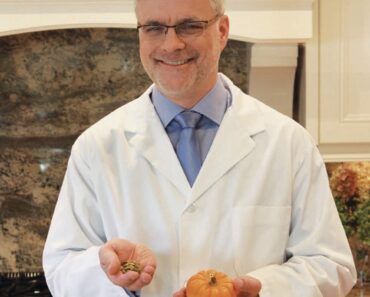
Dr. Zahi Abou Chacra is one of Montreal’s top facial plastics and reconstructive surgery virtuosos. He’s known for his exceptional skill in both aesthetic and functional nose surgeries. He studied at McGill University, where his talent was recognized with the H.S. Burkitt Memorial Prize. He then sought advanced training in rhinoplasty and facial plastic surgery in Houston, Texas. Today, Dr. Chacra is the Medical Director and Principal Surgeon at Clinique 7 in Montreal He’s also an Assistant Professor in the Department of Surgery at the University of Montreal.
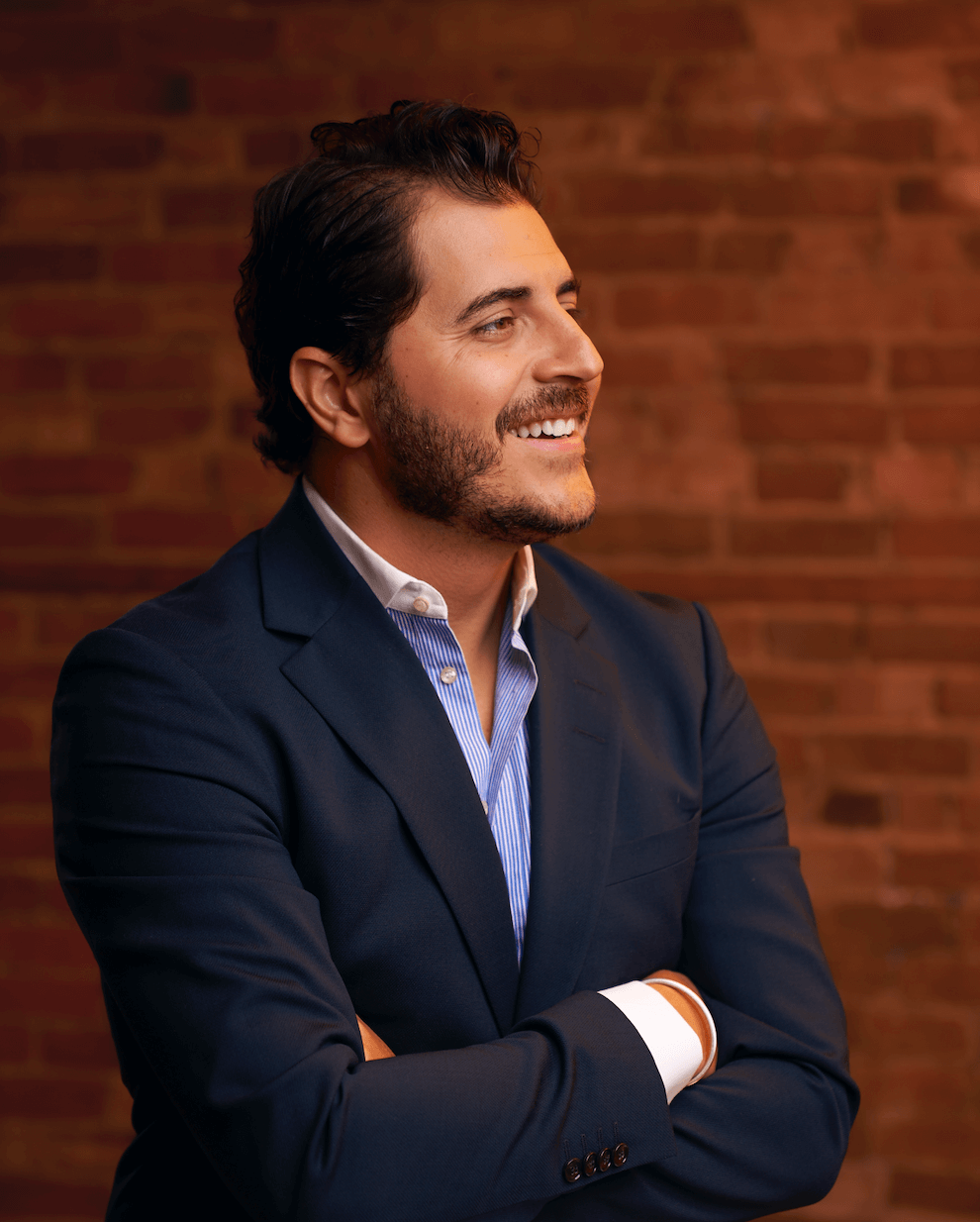
Q: What inspired you to specialize in rhinoplasty and facial plastic surgery? Was it a long-held dream that you held as a young man, or rather something you decided after you enrolled in medical school?
Dr. Zahi Abou Chacra: When I was young, I was drawn to the idea of combining science with creativity, but it wasn’t until I began exploring the intricacies of facial anatomy and the profound impact that reconstructive and aesthetic surgery can have on someone’s life that I felt a true calling. Rhinoplasty in particular intrigued me because it’s not just about form but also about function—balancing the art and science of surgery to improve both appearance and quality of life.
Q: Can you go into more detail about how that balance affects your approach to performing procedures?
Dr. Zahi Abou Chacra: On the one hand, there’s the science—the technical precision, the understanding of anatomy, and the problem-solving required to achieve optimal functional outcomes. But the artistic aspect involves intuition, creativity, and a deep sensitivity to proportion and aesthetics. I consider the individual features of each patient and how subtle changes can harmonize with their natural beauty. The interplay between these two elements is what makes rhinoplasty so fascinating to me—it’s never a one-size-fits-all approach.
Q: What role does teaching at the University of Montreal play in your career, and how does it affect your clinical practice?
Dr. Zahi Abou Chacra: My position as an Assistant Professor complements my work as a surgeon. It gives me an impetus to stay on top of the latest breakthroughs in my field, both in technology and technique. That can’t help but translate positively to my work with patients at Clinique 7. Plus, I love being an educator, mentor, and positive influence on the surgeons of tomorrow.
Q: What are some of the most important personality traits you believe a facial plastic surgeon should possess?
Dr. Zahi Abou Chacra: This field demands a unique combination of traits that go beyond precision with a scalpel. First and foremost, empathy is essential. Truly understanding a patient’s concerns and aspirations means having the ability to listen to them and connect with them on a human level. This connection is what helps build trust, which is foundational in any medical profession-patient relationship. Another important trait is adaptability. No two procedures are ever the same. A surgeon must be flexible and open to adjusting their approach based on the details and developments of each case. Finally, there’s a genuine commitment to learning and innovation. These are the qualities I try to nurture in my students, and the ones I try to continue cultivating in my own practice.